Logging Services in McMinnville, Oregon
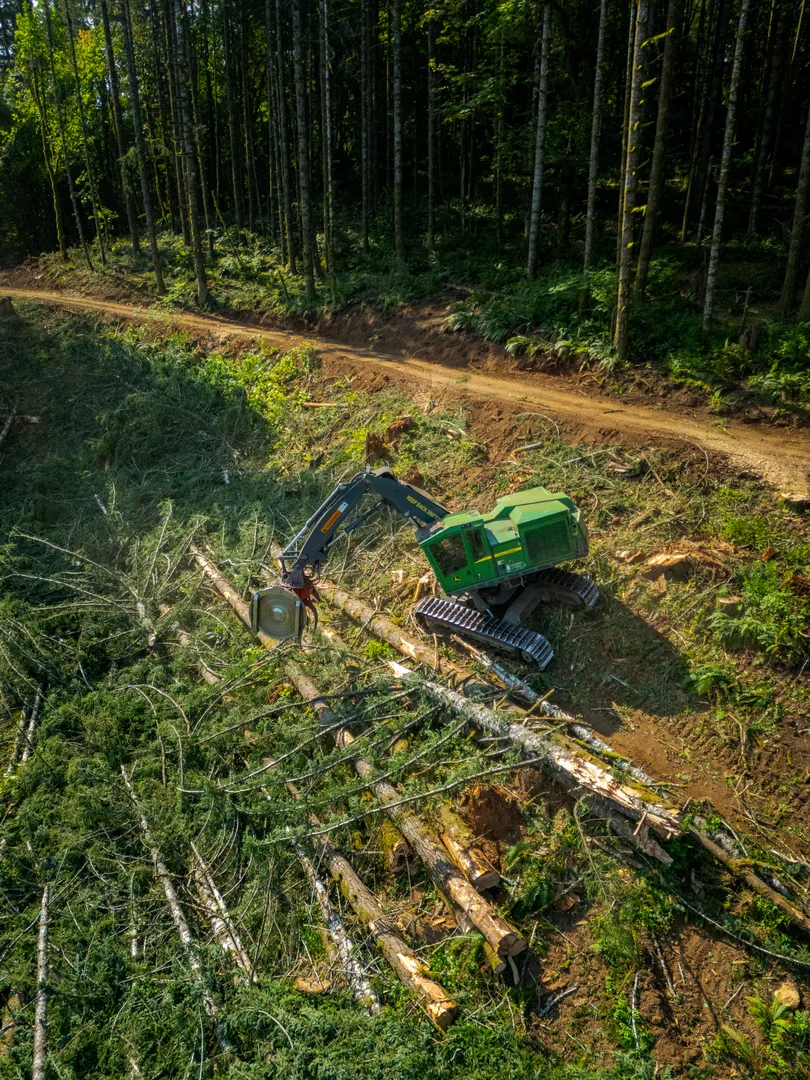
Logging Services
Logging starts long before the first tree is cut. High Heaven Timberlands helps McMinnville-area landowners evaluate their timber, define the purpose of the harvest, plan access, coordinate the work, and prepare for what happens after the logs leave the property.
The right plan depends on the stand, terrain, roads, soil, markets, regulations, and the owner’s long-term goals. We begin there.
Timber Harvesting With a Clear Objective
Landowners consider a harvest for different reasons. A stand may be ready for commercial harvest, need thinning, contain damaged timber, or be part of a broader management plan. Sometimes the first useful answer is that more information is needed before any trees should be cut.
We help define the objective and look at the practical conditions that shape the job. That includes tree species and size, stand density, slope, seasonal access, landing areas, hauling routes, nearby structures, streams, and the condition of existing roads.
Understand the Timber Before Making a Decision
Timber is not valued by counting trees from the driveway. Species, size, quality, accessibility, mill specifications, hauling distance, and current market conditions can all affect the outcome of a sale.
A professional assessment gives the landowner better information before agreements are made. Our timber valuation and timber deed services can support harvest planning by helping identify what is present and what questions need to be answered.
We do not promise a fixed return or assume every stand should be harvested. The goal is to make a decision with a realistic understanding of the timber and the work required to move it.
Plan Access, Landings, and Hauling
Access can determine whether a good plan works on the ground. Existing roads may need evaluation, and new or improved access should be located with drainage, grade, soil, equipment movement, and long-term maintenance in mind.
Landing space, log-truck access, turning areas, and haul routes also need to be considered before equipment arrives. Planning these pieces early reduces surprises and helps protect the parts of the property that are meant to remain. If access work is part of the project, our road building and project regulation and management services can be coordinated with the harvest.
Responsible Logging on Private Forestland
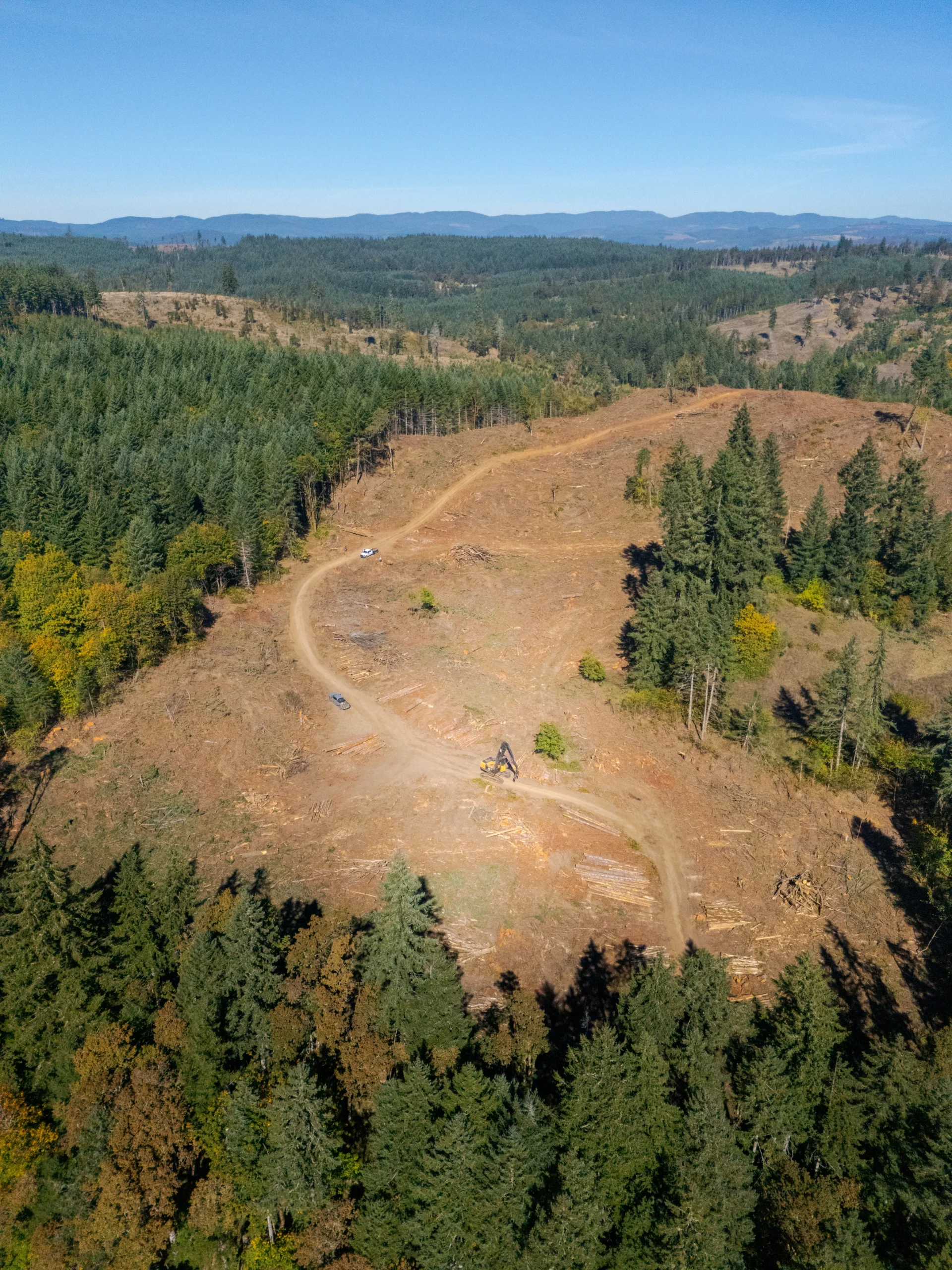
Private timber operations in Oregon are governed by the Oregon Forest Practices Act and related rules. The work may require notification, specific protections for water, soil, wildlife habitat, and neighboring resources, and reforestation after certain harvests. Those requirements should be part of the plan, not paperwork handled after the fact. High Heaven Timberlands helps organize the operation around the site conditions and applicable requirements so the harvest, access, and follow-up work support the same objective.
Coordinate the Harvest From Start to Finish
A timber harvest can involve landowners, foresters, logging crews, truck drivers, mills, and agencies. Someone needs to keep the parts connected.
Our role can include:
- Reviewing the property and harvest objective
- Coordinating timber assessment and sale planning
- Planning equipment access, landings, and haul routes
- Organizing logging and transportation
- Tracking site protection and cleanup needs
- Planning reforestation and follow-up management
Plan Beyond the Last Log Truck
The condition of the site after harvest matters. Slash treatment, road and drainage work, erosion prevention, replanting, and competing-growth control can all affect the next stand.
High Heaven Timberlands provides forestry and timber management that can continue beyond the harvest. That may include site preparation, replanting, and follow-up treatment when competing vegetation begins to crowd young trees.
Frequently Asked Questions
Do I need to know how much timber I have before calling?
No. A first conversation can help determine what kind of assessment is appropriate. Accurate volume and value questions usually require more than a visual estimate.
Will a logging company cut trees for free in exchange for the timber?
Do not base a harvest decision on that promise. Timber value and logging cost vary with the stand, access, market, and hauling requirements. Review the numbers and the written agreement before work begins.
What happens after a timber harvest?
That depends on the harvest and the long-term plan. Cleanup, road work, erosion control, reforestation, and competing-growth management may all be needed. These steps should be considered before the harvest starts.
Discuss Your Timber and Long-Term Goals
Start with the stand, access, and what you want from the property. We’ll help you identify the information and planning needed before work begins.
Contact Us